Software development · GPT Codex
From idea to app: Codex enters the daily work
Application development with GPT Codex has moved into full swing. In a few days, I turned operational experience, process knowledge and ideas built over time into two usable applications: one for leave and shift planning, the other for managing EPAL pallet collection and returns.
Codex did not replace analysis; it made analysis faster to turn into something concrete. The starting point was work I know, with its rules, exceptions and questions a software tool must support. From there I could describe the flow, define functions, test screens and correct what was not yet clear enough.
In a few focused days, two applications emerged from the same root. One organises shift planning, leave, coverage and indicators. The other brings EPAL movements, vouchers, balances and collection requests into one environment. They are not visual exercises: they are digital reconstructions of activities I have followed and analysed in the field.
Shift management may look like a table, but behind that table are constraints, coverage, departments, responsibilities, absences and choices that different people must understand. The application I created brings together calendar, monthly coverage and indicators so the plan can be read both at day level and across the overall distribution of work.
The most interesting step is moving from data to the operational conversation: coverage is not just a value, but a signal that helps show where action is needed. Codex let me recreate known logic quickly, testing it with examples, edge cases and successive iterations.
EPAL Management grew from the need to connect what happens physically with what must remain traceable. Movements, vouchers, balances and collection bookings are brought into one path, with views and functions designed to follow the work without losing the link between operation, document and position.
Codex was especially valuable during build and testing: I could move quickly from describing a rule to representing it in the interface, then simulate search, validation, exports and status handling. My experience gave the product its direction; the tool shortened the distance between idea, code and test.
Over time I have used different software tools to support these processes. Rebuilding them today is not about copying an application. It is about recognising the functions that matter, removing what makes work heavier and rethinking the experience with more accessible technology. Codex makes that cycle direct: describe, test, observe, correct and test again.
Mastery of the tool lies in guiding it with concrete requirements and evaluating its output critically. The result is not automatic: it requires method, domain knowledge, data awareness and the willingness to rebuild a part when it is not solid enough.
These two applications are a beginning. We are now studying a maintenance-monitoring app to connect reports, priorities, activities and intervention status in a view that helps both decision-makers and the people doing the work.
The experience is confirming that innovation is not only about project size. It is about turning a real need into a short cycle of analysis, development and verification. Stay tuned.
The apps, without sensitive data
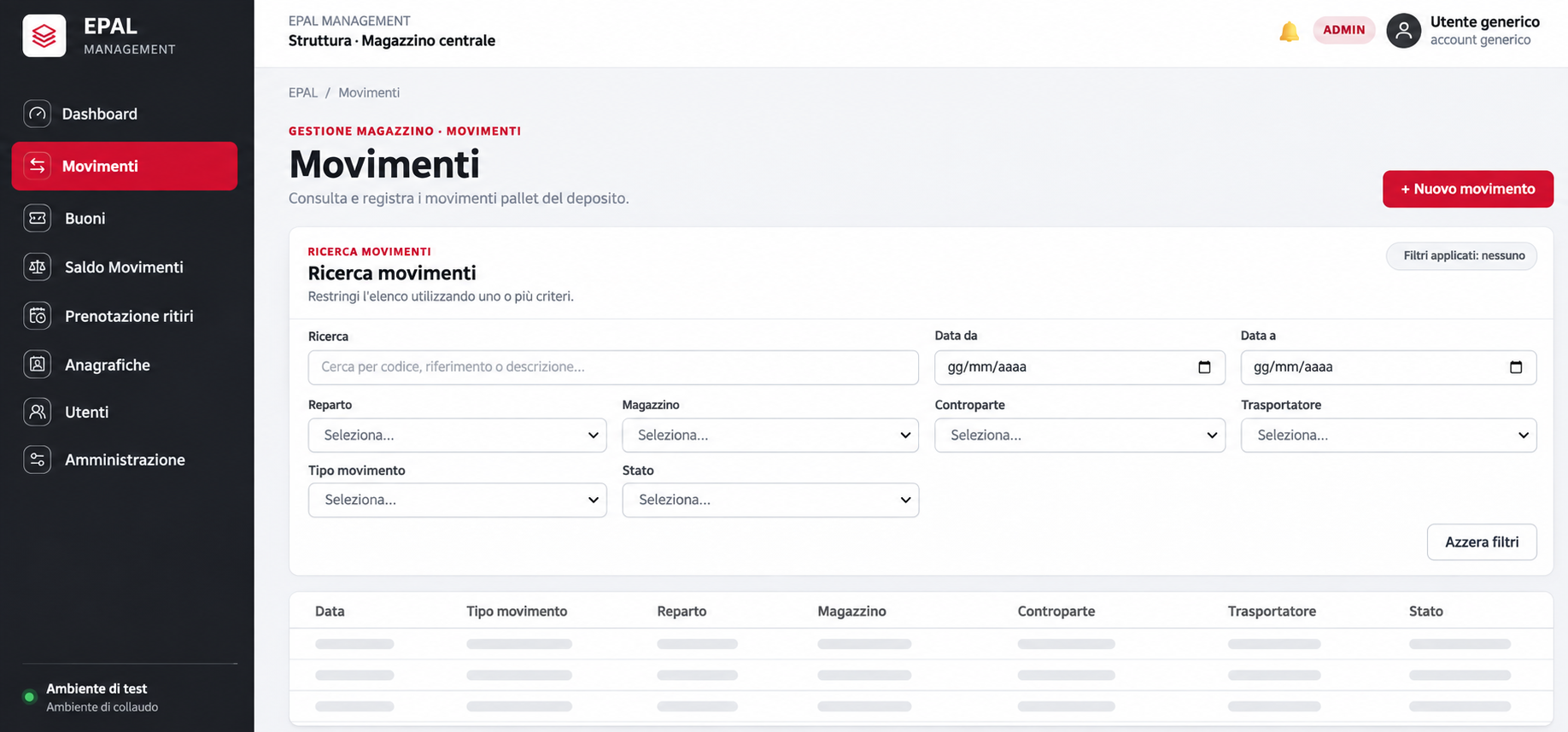
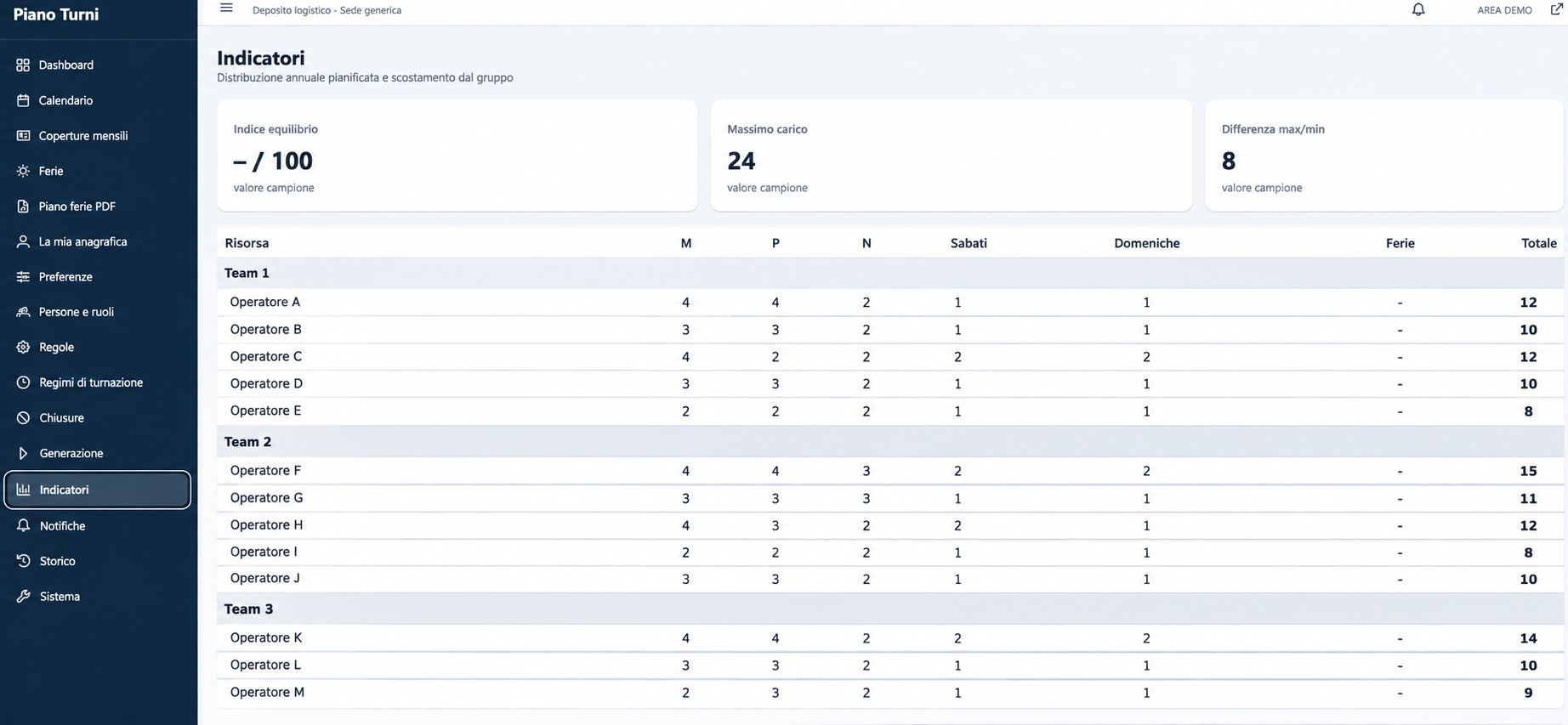
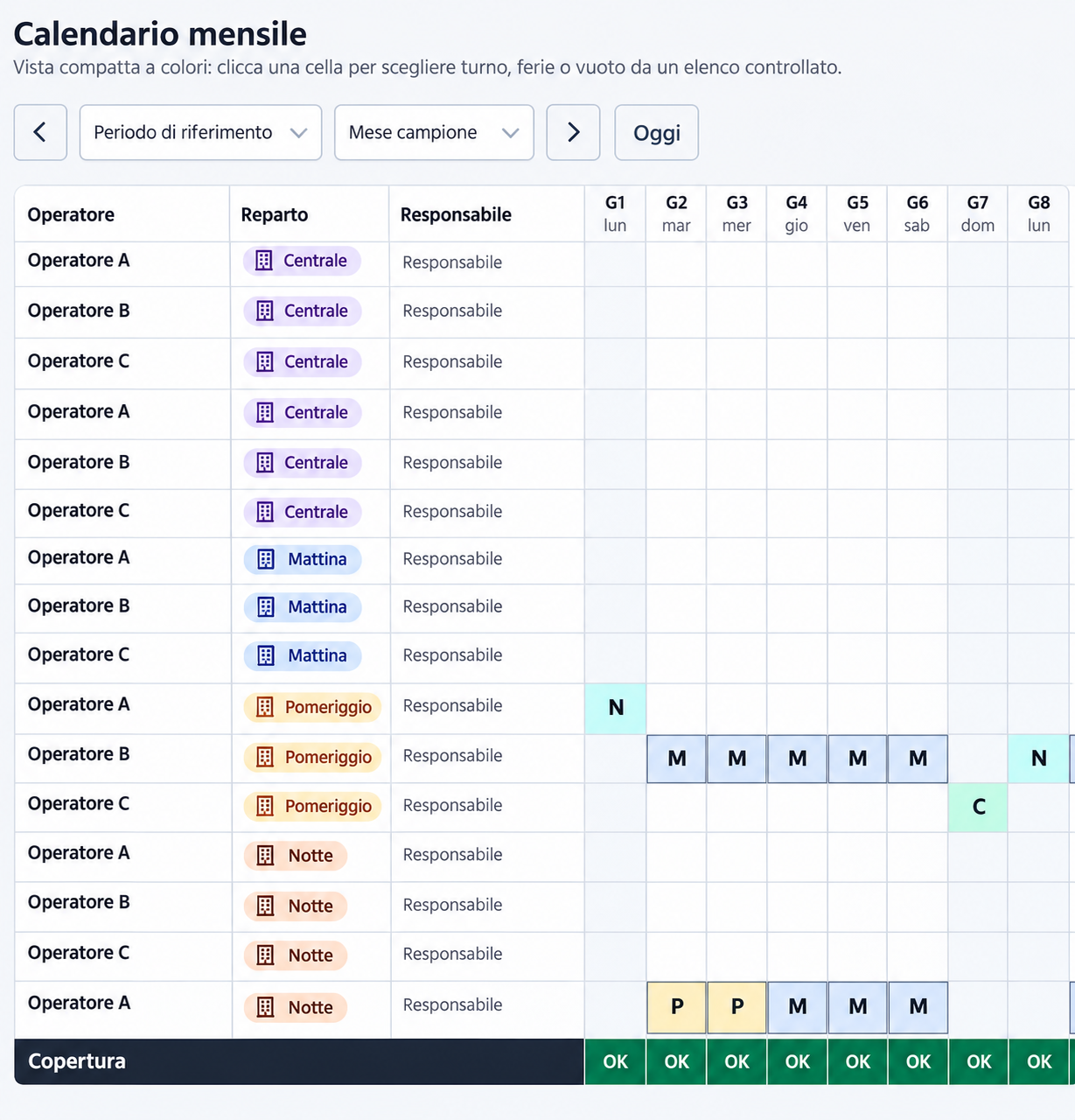
These are editorial previews: names, emails, identifiers and operating values have been replaced with neutral content. No personal data, costs or confidential information are published.
For me, the value of Codex is not only writing faster. It lets me bring process knowledge into software immediately, keep control of the decisions and shorten the path from a testable idea to a working first version. It is a new way of working that combines logistics experience, method and experimentation.
Article scope
This article describes applications developed and tested as working and prototyping tools. No personal data, prices, costs, credentials or confidential information are published.