Article · Warehouse intelligence
When inventory becomes a continuous source of decisions
I analysed the possibility of working with Dexory, a solution that brings robotics, computer vision and data into the daily control of pallet locations. This is not a project report: it is a reflection on a new frontier for inventory and on the conditions that would make this kind of choice worthwhile.
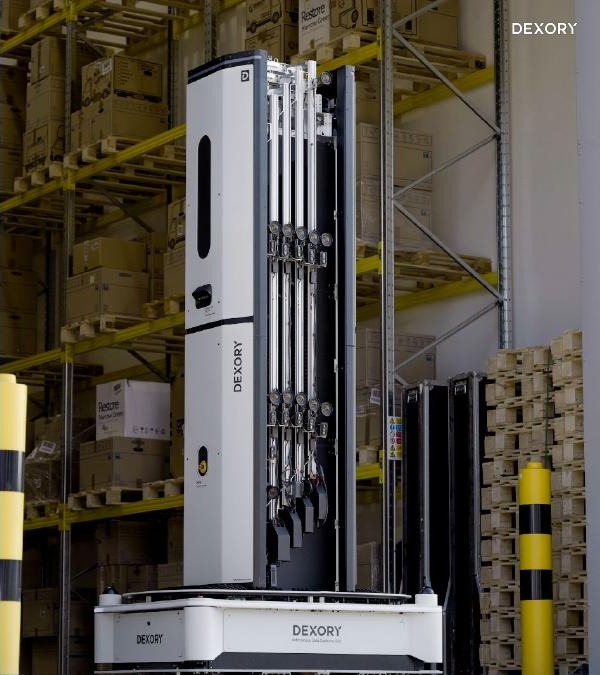
In a highly variable warehouse, inventory is often a snapshot: useful, but already old when the flow keeps moving. Every difference between the physical location and the WMS can trigger searching, checks, rework or replenishment from the wrong place.
The question is therefore not only how long a count takes. It is how often we can observe the warehouse, with what quality, and with what ability to turn an anomaly into a traceable action.
The Dexory proposition combines an autonomous mobile robot for data collection with DexoryView, a platform that organises readings in a digital representation of the warehouse. The robot travels through aisles without an operator on board and captures images and information from pallet locations.
The value is not just seeing the robot move. It is connecting what the system expects with what is detected: location, presence, label readability and potential discrepancies. The platform makes this information available for action and follow-up.
The flow can be read in three steps. First, autonomous capture along the racks; then comparison with the WMS snapshot and classification of exceptions; finally, a targeted operational check on the location that needs attention.
Useful cases include an expected but empty location, a pallet found elsewhere, an unreadable barcode or a situation requiring visual inspection. The image becomes evidence to direct work, not a replacement for authorised procedures and physical checks.
The most interesting opportunity is frequency. More regular checks can surface inconsistencies earlier, build an anomaly history and show where the process creates the most variability.
The same information can support pallet searches, location quality, space planning and replenishment flows. Over time, an updated warehouse map could become a shared language for Operations, Inventory Control, IT and automation teams.
Where it can create value
More frequent inventory checks with less reliance on repetitive manual work.
Faster investigation of discrepancies between physical pallets and registered locations.
Visual evidence to direct checks on labels, pallets and anomalous locations.
Historical data to understand recurrence, saturation and storage-process quality.
An information layer that can connect inventory, replenishment and future automation.
Inside the technology
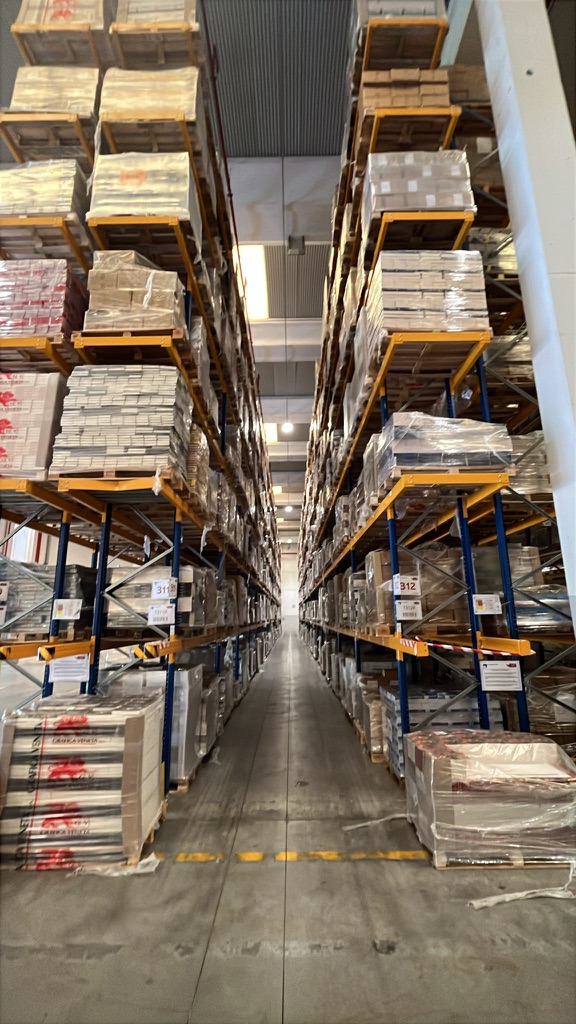
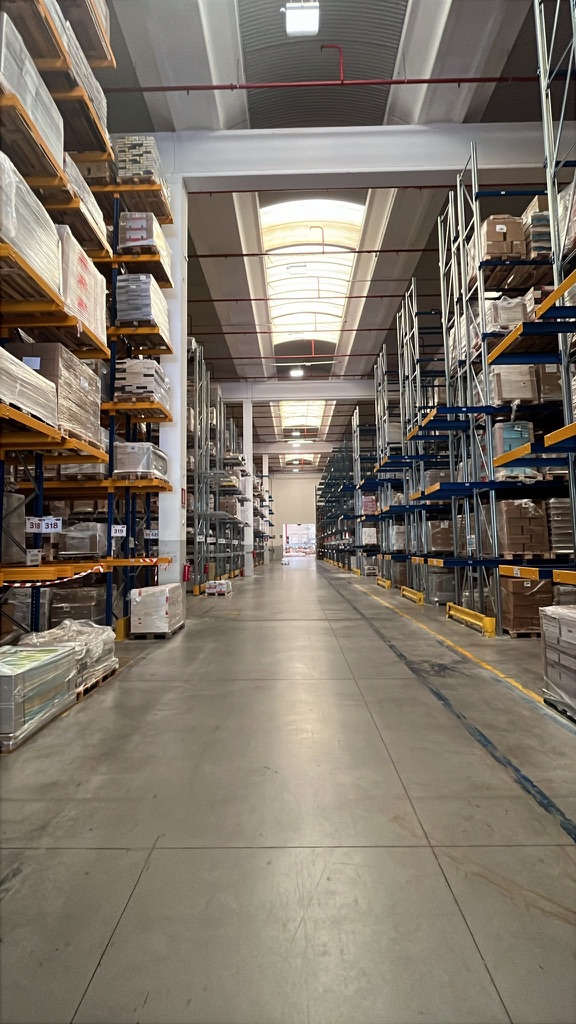
The images come from the material supplied for the analysis and document the technology and operating context. Full layouts, internal operational screens and stock data are not published.
The technology is compelling, but implementation should not be decided on novelty. The assessment must balance cost and benefit, real coverage, data integration, exception handling and the team’s ability to turn alerts into action. That is the balance behind my analysis: if the objective is a stronger flow, we should be willing to be bold with automation when the value for inventory rotation, quality and efficiency is clear.
Article scope
This is an editorial analysis of the solution’s functions and opportunities. It does not communicate a purchase or implementation decision. Prices, costs, contractual terms and confidential information are not published.
Discover Dexory ↗