Project · End-of-line automation
When the pallet leaves protected: the Bocedi hooding machine arrives
October 2026: a Bocedi FB 2000 hooding machine joined the end-of-line flow. An automation project is not just a machine. It starts with how pallets are prepared, runs through transport, load protection and safety, and is complete only when the result is stable in daily operations.
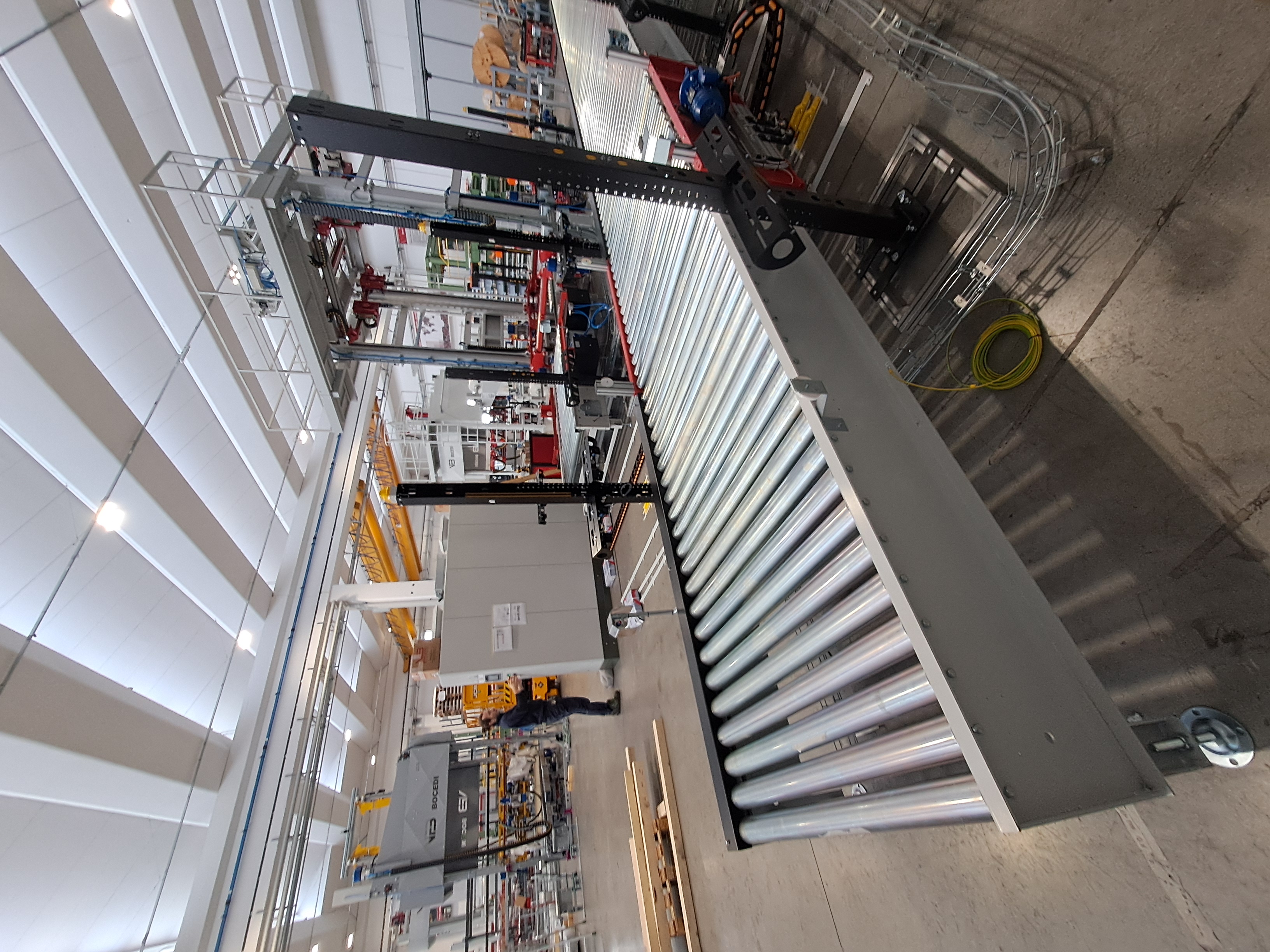
The capacity and dimensional limits are values declared in the manufacturer’s technical documentation. They are not a measured plant result or a guaranteed commitment for every pallet type.
01 / The question comes before the machine
The need was not simply to automate a cover. The starting point was to understand how to protect very different loads while keeping the flow continuous and reducing dependence on variable manual work.
I approached the project end to end: which pallets are in scope, which exceptions must remain manageable, what the layout requires and which indicators prove that automation is actually working. The machine is part of the answer, not the whole answer.
02 / From real pallets to a specification
The project documentation starts from 1,200 × 800 millimetre wooden pallets, variable loads and heights between 300 and 1,500 millimetres. Maximum weight and load shape also matter: a stable line must recognise the normal case and make exceptions visible.
This made it possible to compare declared capacity, use cases, protection requirements and available space. It is the step that prevents choosing technology on nominal speed alone, without checking whether the real process can sustain it.
03 / Why stretch hood changes the gesture
The FB 2000 applies a stretch-film hood from top to bottom. The cover wraps and stabilises the load without introducing an oven or heat source into the hooding step.
The operational benefit is repeatability: load shape, hood length and application sequence can be governed by different programmes. The finished pallet still needs to be checked because protection, film tension and stability must remain balanced.
04 / The line is a system, not an island
The hooding machine was assessed together with conveyors, pallet positioning, utilities and guarding. Upstream, the load must arrive readable and oriented. Downstream, it must continue without creating a new bottleneck.
That is why I kept physical flow, interfaces, maintenance access, ground-level reel changes and exception handling together. When a pallet falls outside the standard scenario, the process needs a clear path rather than stopping the whole line.
05 / FAT: test before declaring the result
FAT made the project concrete. The trials do not only check whether the machine moves. They verify cycles, hood quality, load stability, sensors, controls, safety and behaviour under different conditions.
I treated acceptance as an evidence matrix: each scenario needs an outcome, each anomaly needs a trace and each requirement must map back to a test. This is the soundest way to move from a technical promise to an operating decision.
06 / The business case without exposing the numbers
The business case did not stop at comparing a current cost with a future cost. I separated volumes, pallet classes, consumables, handling time, manual work, line constraints, maintenance and operational continuity.
Economic analysis makes different alternatives comparable and exposes the assumptions behind a choice. I do not publish economic values or point results. The value is in the method, transparent drivers and the ability to verify steady-state consumption, time, downtime, packaging quality and rework.
07 / Value is measured in the flow
More uniform protection can reduce exposure to dust and moisture and improve load stability during moves. A longer-life reel and ground-level changeover may reduce interruptions, but those effects must be confirmed in operating data.
My focus remains the system. If the machine accelerates while upstream waiting increases, the improvement is local. Monitoring must therefore combine productivity, quality, safety, line availability and the work required from people.
Project evidence
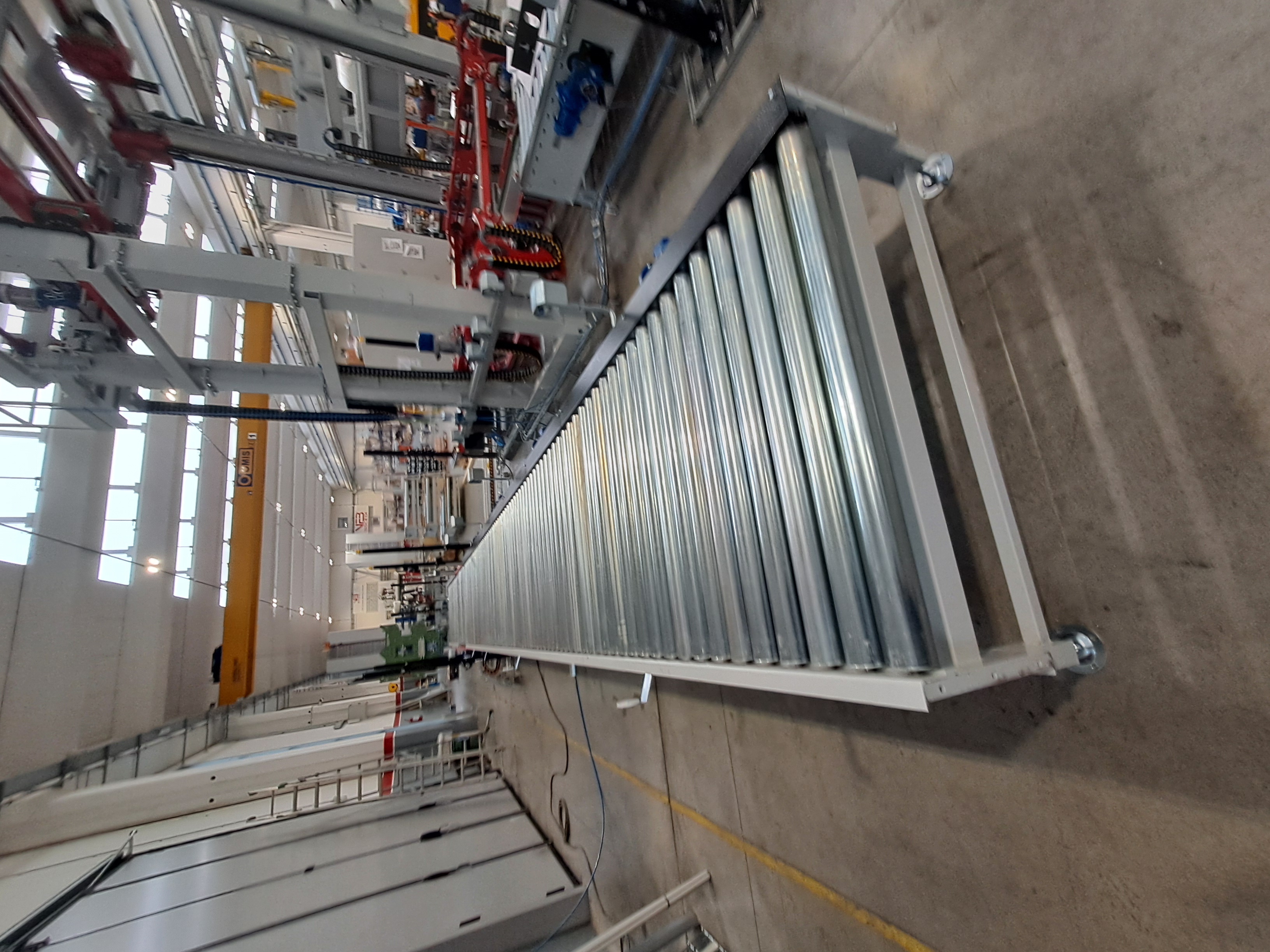
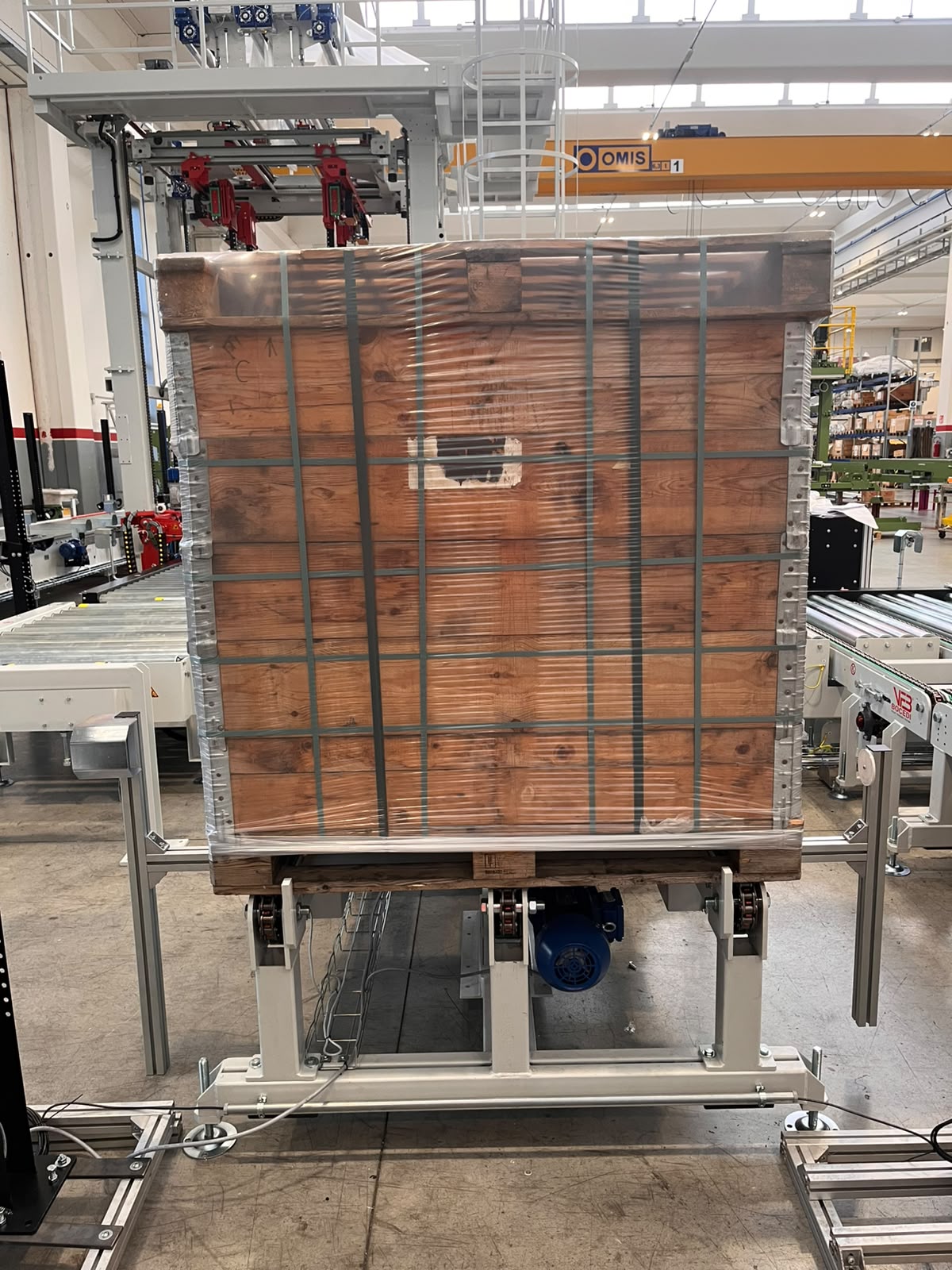
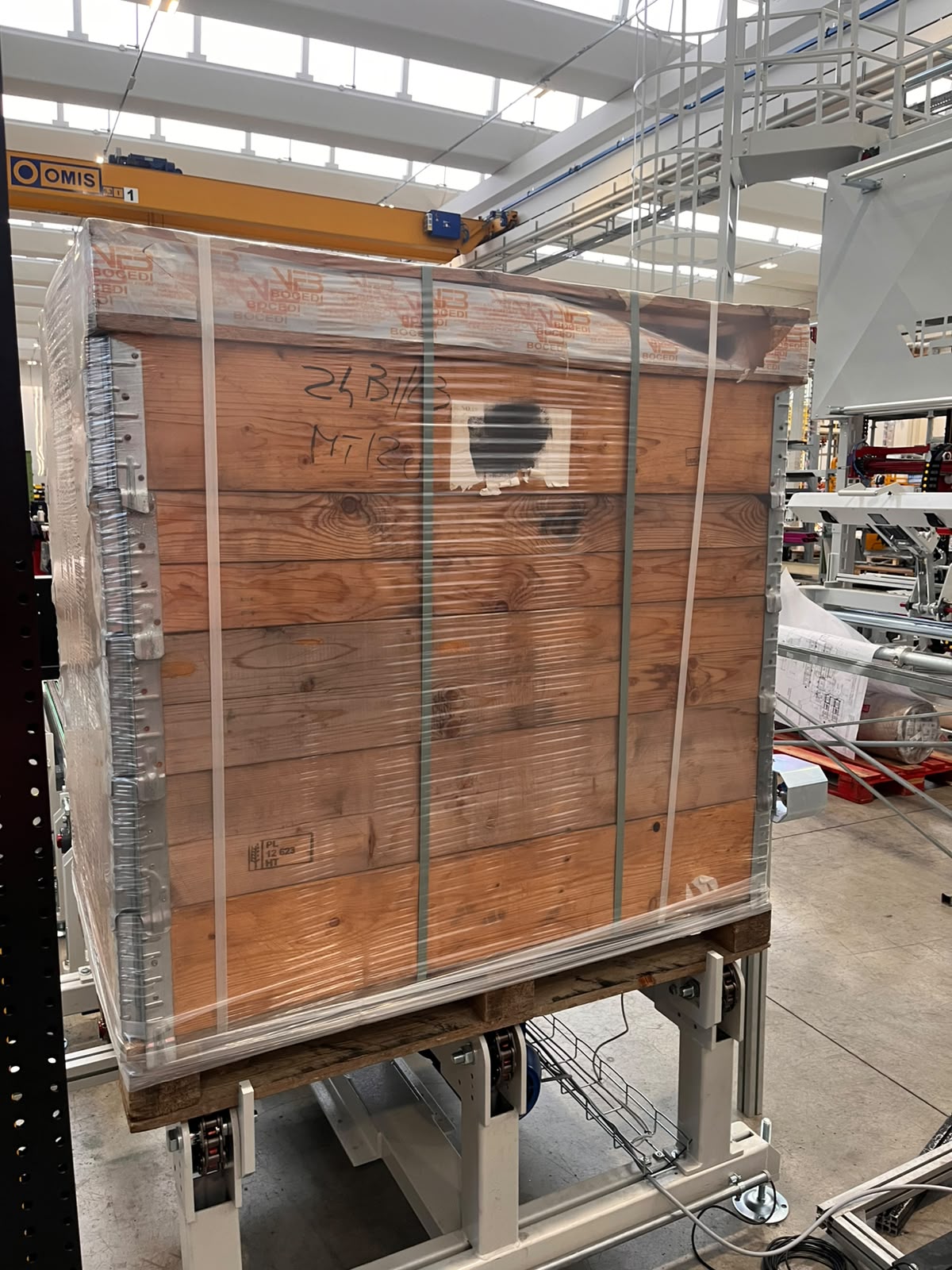
Automation means making the result repeatable
The Bocedi FB 2000 is an important step because it brings analysis into the operating gesture: from real pallet to specification, from FAT evidence to daily flow. I thank Bocedi for the technical dialogue and project support. The machine is the visible result; the more important part is the method that created the conditions for it to work safely, consistently and continuously.
Confidentiality
Prices, costs and confidential information are not published.